
Word puzzle games have taken the internet by storm in recent years. They are now a daily habit for millions of players worldwide. People love waking up and testing their vocabulary over a morning cup of coffee. Among these popular brain teasers, the Waffle game stands out with its incredibly unique and engaging gameplay. It challenges you to form words by swapping letter tiles inside a grid. At first glance, the game feels impulsive, but it quickly becomes deeply thought-provoking.
However, this game offers much more than just a fun aesthetic appeal. The developers built it with a clever layer of colour schemes, a highly specific layout, and a surprising psychological impact on players. How does a simple grid have such a massive impact on your daily routine? Is this daily mental workout actually beneficial for you? Let us explore what makes this daily puzzle so brilliant, how the mechanics work, and how you can master the grid.
Table of Contents
What Makes the Waffle Game Word Game So Addictive?
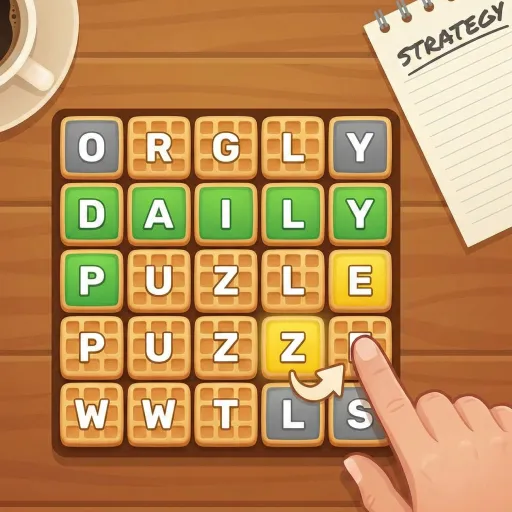
Before we dive into the deep psychology of the puzzle, let us look at the core mechanics. James Robinson created the Waffle game to offer something entirely fresh to the gaming community. It shares some basic DNA with wildly popular games like Wordle, but it requires a totally different strategy. The game presents you with a 5×5 waffle-shaped grid. The board contains letters that are randomly scattered across intersecting rows and columns.
Your main task is to form six intersecting five-letter words by swapping these tiles around. It feels incredibly tactile and satisfying to swap the pieces rather than just typing on a blank keyboard. The intersection of the words adds a massive layer of complexity. A letter placed at a corner or a crossing point belongs to two different words at the same time. This simple but brilliant design keeps players returning day after day to test their logical deduction.
How to Play: Mastering the Waffle Game Grid and Moves
The rules of the game are quite simple to grasp but incredibly tough to perfect. You get a strictly limited number of moves to solve the entire board. The game gives you a maximum of 15 moves to complete the challenge. However, clever players can solve the puzzle in at least 10 moves.
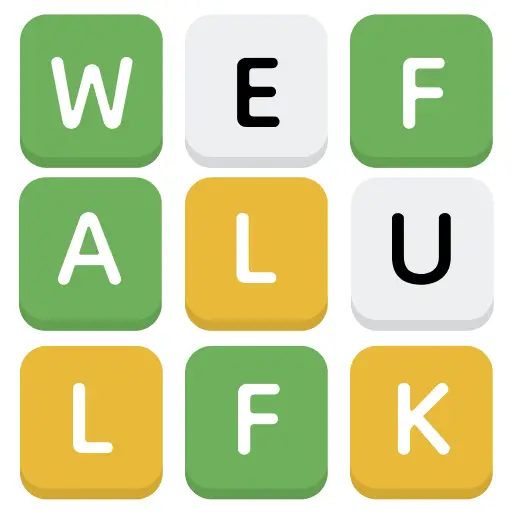
Every single move you save earns you a shiny star at the end of the game. Earning these stars requires extreme efficiency and sharp thinking. You cannot just guess unthinkingly. The game provides colour-coded feedback to guide you during the session. Three different colours indicate three completely different scenarios. These colours help you understand the grid instantly and plan your next winning swap with precision.
Decoding the Colour System: A Psychological Advantage
In modern puzzle games, colours do much more than just look pretty on your screen. They actually create a mental environment that boosts your problem-solving and decision-making skills. They foster an emotional response that keeps you fully engaged with the screen. In the Waffle game, the tile colours change the moment you make a swap. Each distinct colour triggers a very specific psychological response in your brain.
🟢 Green Tiles: The Dopamine Hit of Success
A green tile means the letter is correctly placed in the exact right spot. In human psychology, green naturally associates with forward movement, success, and achievement. When a tile turns green on your board, it immediately signals a positive result. This instantly activates the reward centres in your brain. You feel a sudden sense of accomplishment and relief. This quick rush of dopamine keeps you highly motivated and engaged throughout the rest of the gameplay.
🟡 Yellow Tiles: The Cognitive Puzzle of Caution
The colour yellow exhibits uncertainty and caution. A yellow tile tells you the letter belongs in that specific word, but it currently sits in the wrong position. This represents partial success for the player. It firmly reminds you that there is still work to do. This unfulfilled process creates a strong sense of curiosity. It urges your brain to problem-solve and find the correct placement, gently pushing you to keep playing without feeling overly frustrated.
⚪ Grey Tiles: The Power of Elimination
Grey signifies rejection, coldness, and ignorance. A grey tile means the letter does not belong in that specific word at all. The lighter, muted tone of this colour helps your brain naturally ignore it. You automatically stop focusing on the grey letters and shift your attention back to the active parts of the grid. This quick visual filtering helps you narrow down your choices and speeds up your problem-solving process immensely.
Inclusive Gaming: Waffle’s Accessibility and Colour-blind Mode
A truly great puzzle game should be accessible and fun for absolutely everyone. The creators of the Waffle game ensured they considered the daily experience of players with colourblindness. Standard green and yellow colours can be very difficult for many people to distinguish. For individuals living with Deuteranopia, green often appears beige or brownish. This murky shade blends right into the yellow tiles, making the game nearly impossible to play.
To fix this frustrating issue, the game uses a brilliant high-contrast mode. It opts for distinct, highly visible colour combinations, such as purple with yellow or navy with beige. The game also uses alternative visual cues, such as varying background patterns or distinct font sizes. These thoughtful accessibility details make the critical elements stand out easily. It ensures a fun, stress-free experience for all types of colour vision deficiencies.
Frequently Asked Questions (FAQs)
If you are totally new to this waffle-shaped grid, you probably have a few quick questions. Here are the most common things new players ask before they start swapping tiles.
How many moves do I get in the Waffle game?
You receive a strict maximum of 15 moves to solve the daily puzzle. However, you can perfectly solve the board in just 10 moves if you plan your swaps perfectly. Every remaining move you save grants you a bonus star.
What do the colours actually mean in Waffle?
Green means the letter sits in the perfect spot. Yellow means the letter belongs in the word but sits in the wrong place. Grey means the letter does not belong to that specific intersecting word at all, so you must move it elsewhere.
Can I play Waffle more than once a day?
The standard classic mode offers one brand-new puzzle every 24 hours. However, many websites now offer an exciting Waffle Unlimited version. This mode lets you keep practising your vocabulary skills without waiting for the next calendar day.
Who created the original Waffle word game?
The original game was cleverly created by a developer named James Robinson. He wanted to bring a fresh, intersecting twist to the crowded daily word puzzle genre.